

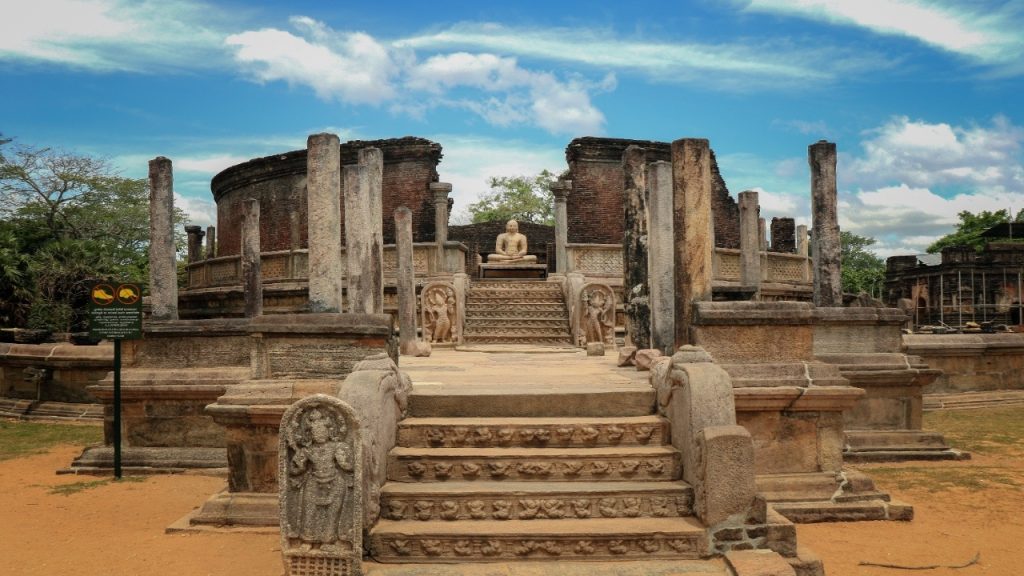
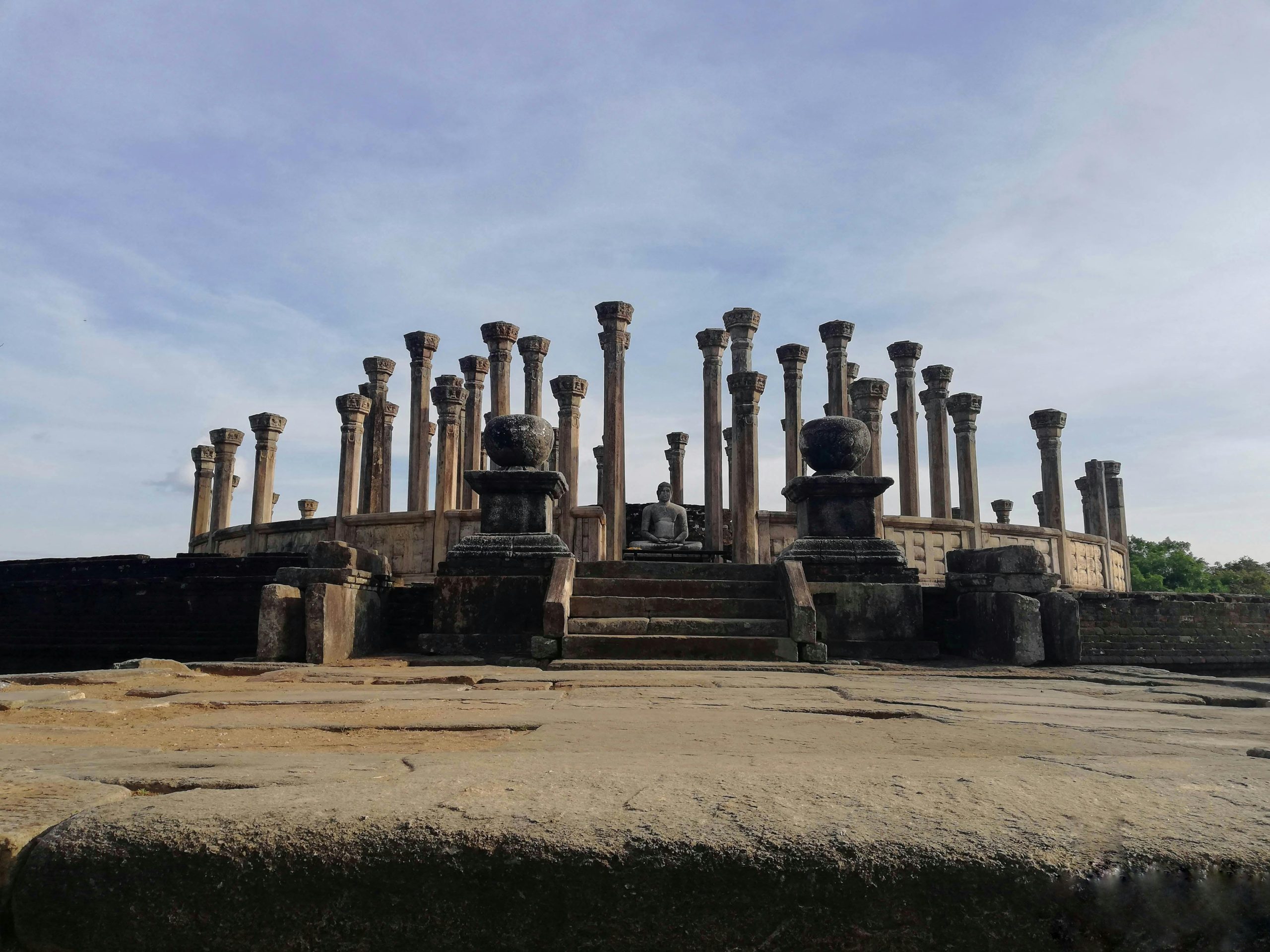
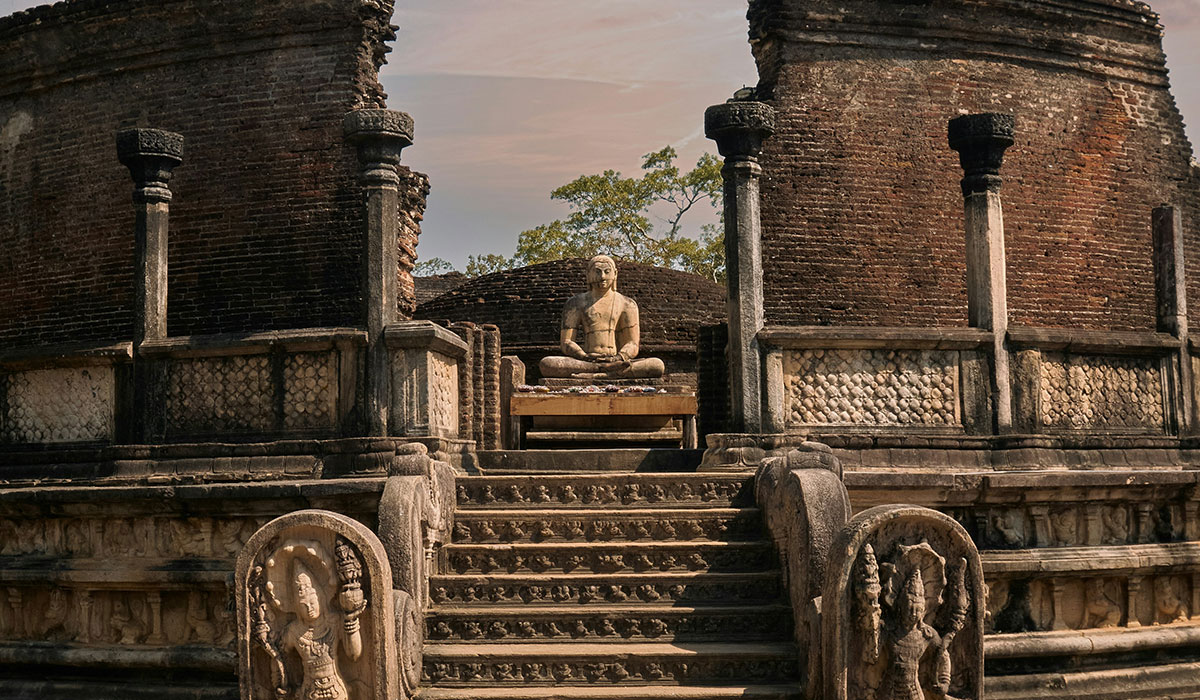
If Anuradhapura represents the dawn of Sri Lanka’s civilization, Polonnaruwa showcases its golden age. Another UNESCO World Heritage Site, Polonnaruwa was the island’s medieval capital between the 11th and 13th centuries and remains one of the most beautifully preserved archaeological sites in Asia.
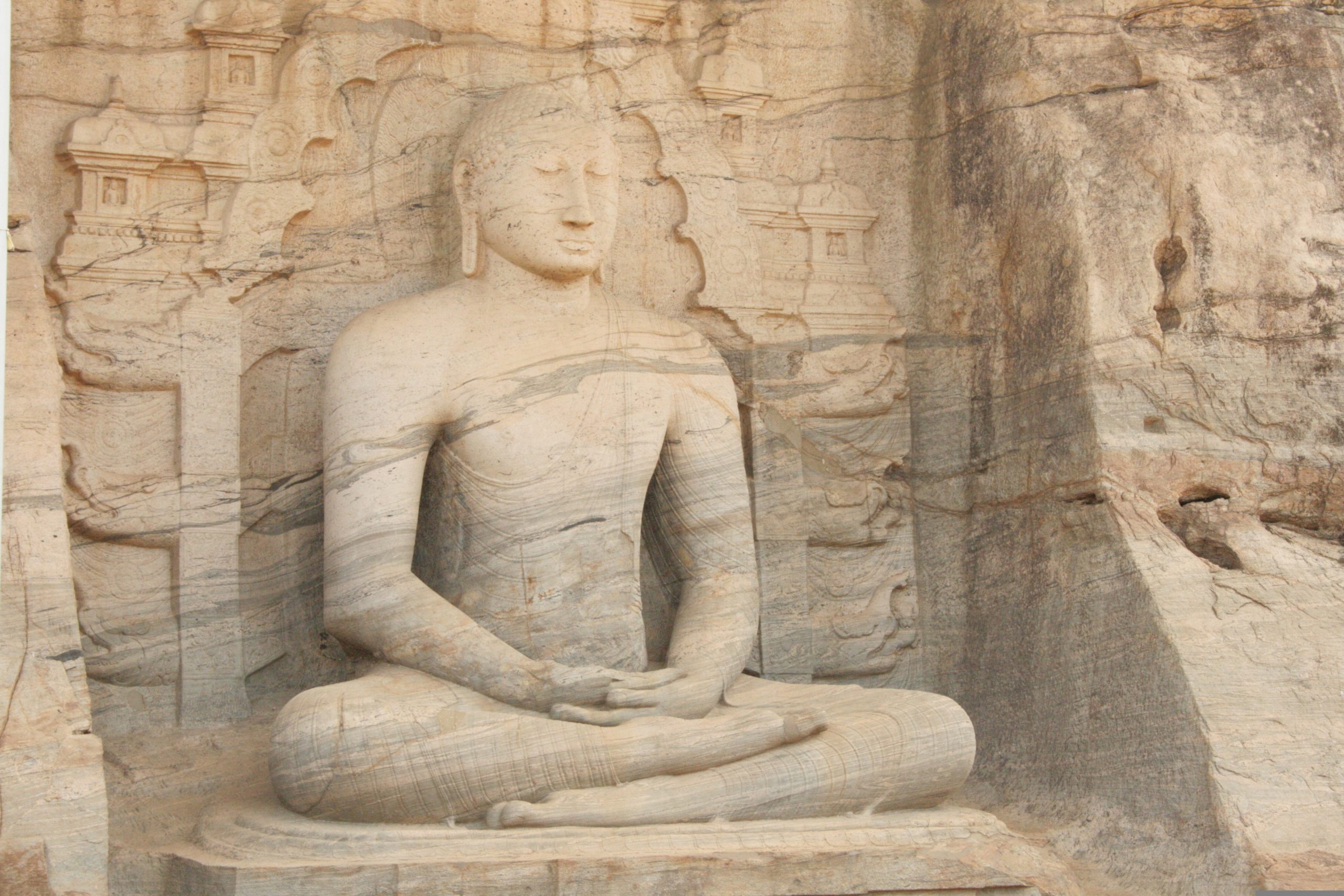
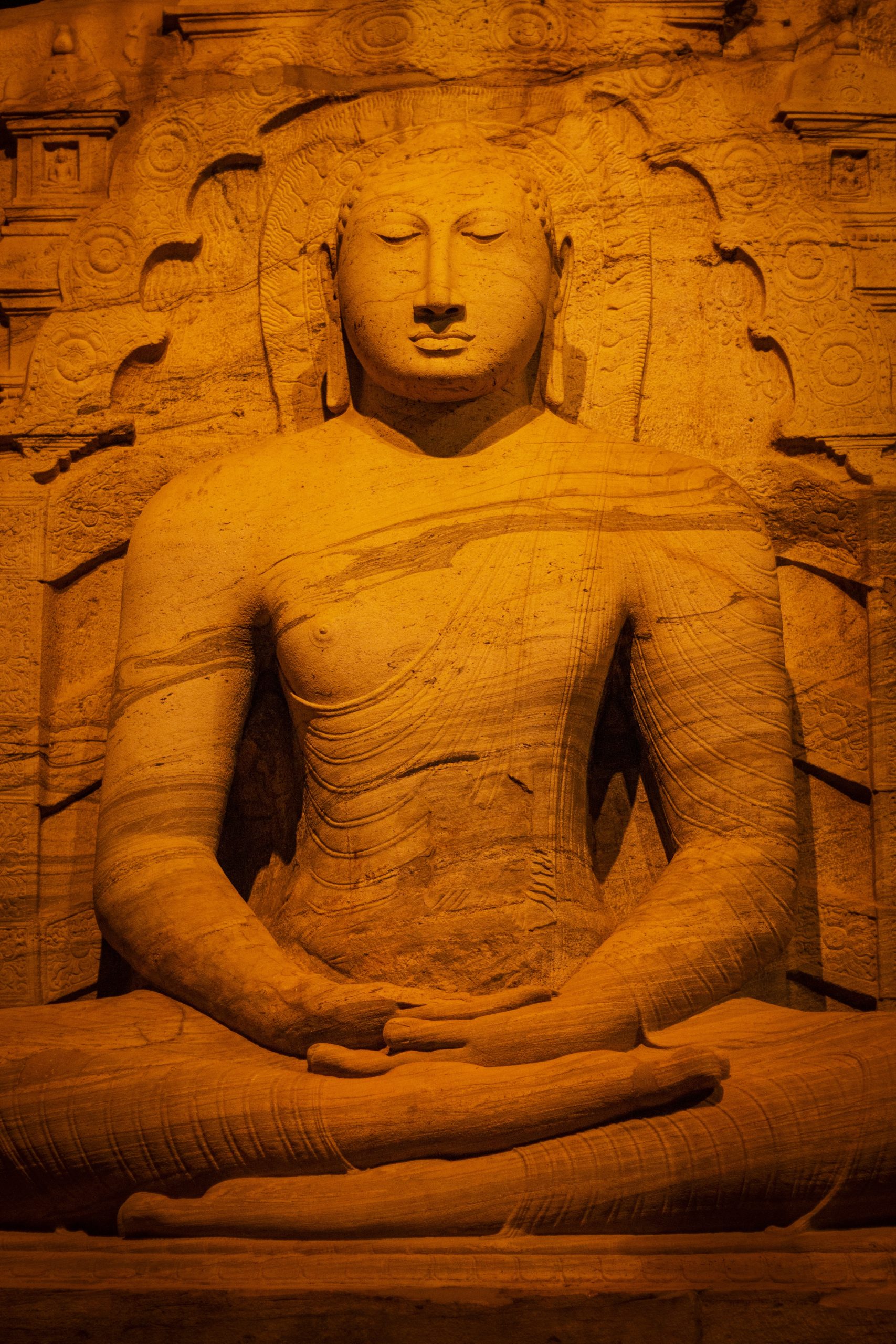
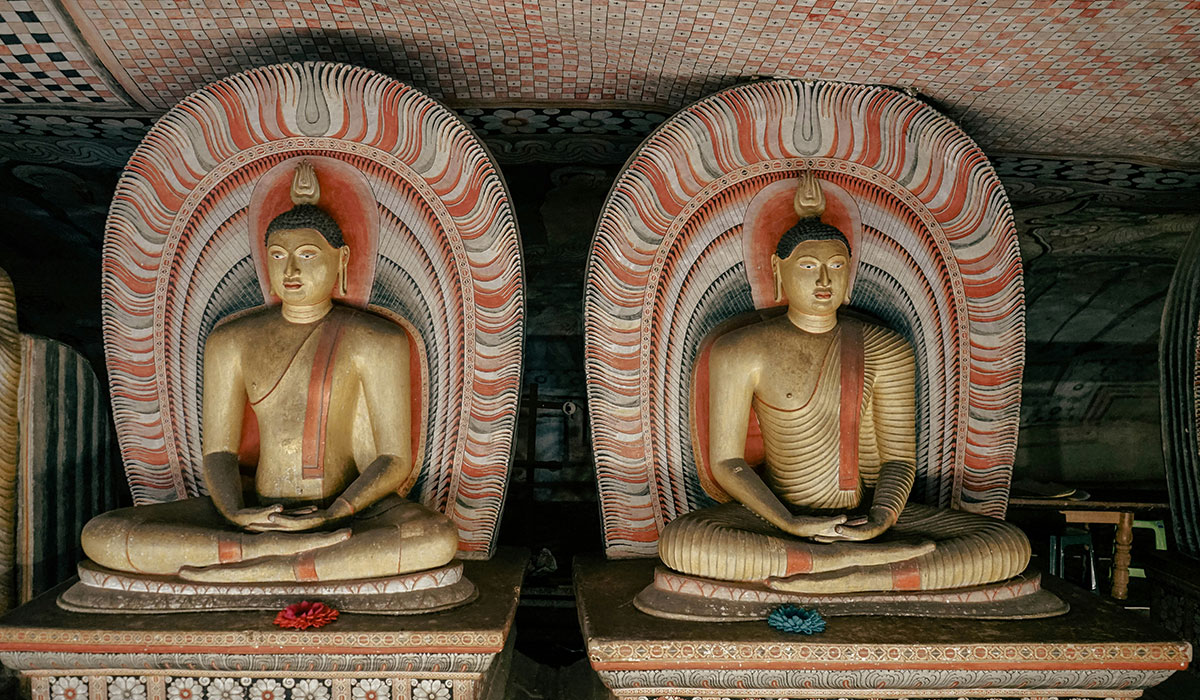
The highlight of Polonnaruwa is the Gal Vihara, a group of colossal granite Buddha statues carved directly into a rock face. These serene figures – sitting, standing, and reclining – are masterpieces of ancient craftsmanship and spirituality.
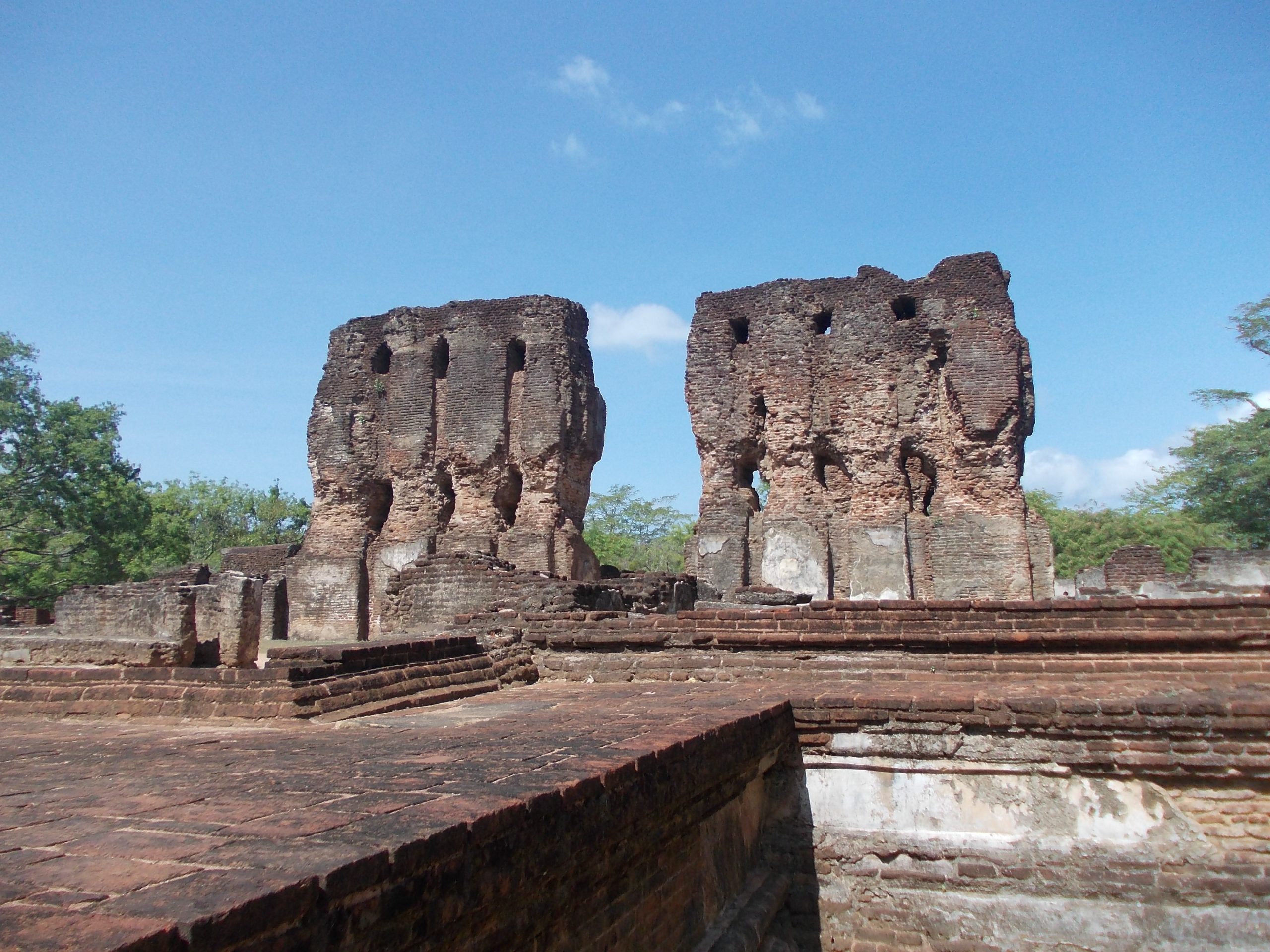
The Royal Palace of King Parakramabahu I is another highlight, once a seven-story structure housing over 1,000 rooms. Today, the ruins give a glimpse of its former glory. Nearby, the Parakrama Samudra, a vast man-made reservoir, reflects the engineering brilliance of ancient Sri Lankans, who turned Polonnaruwa into a city of prosperity and innovation.
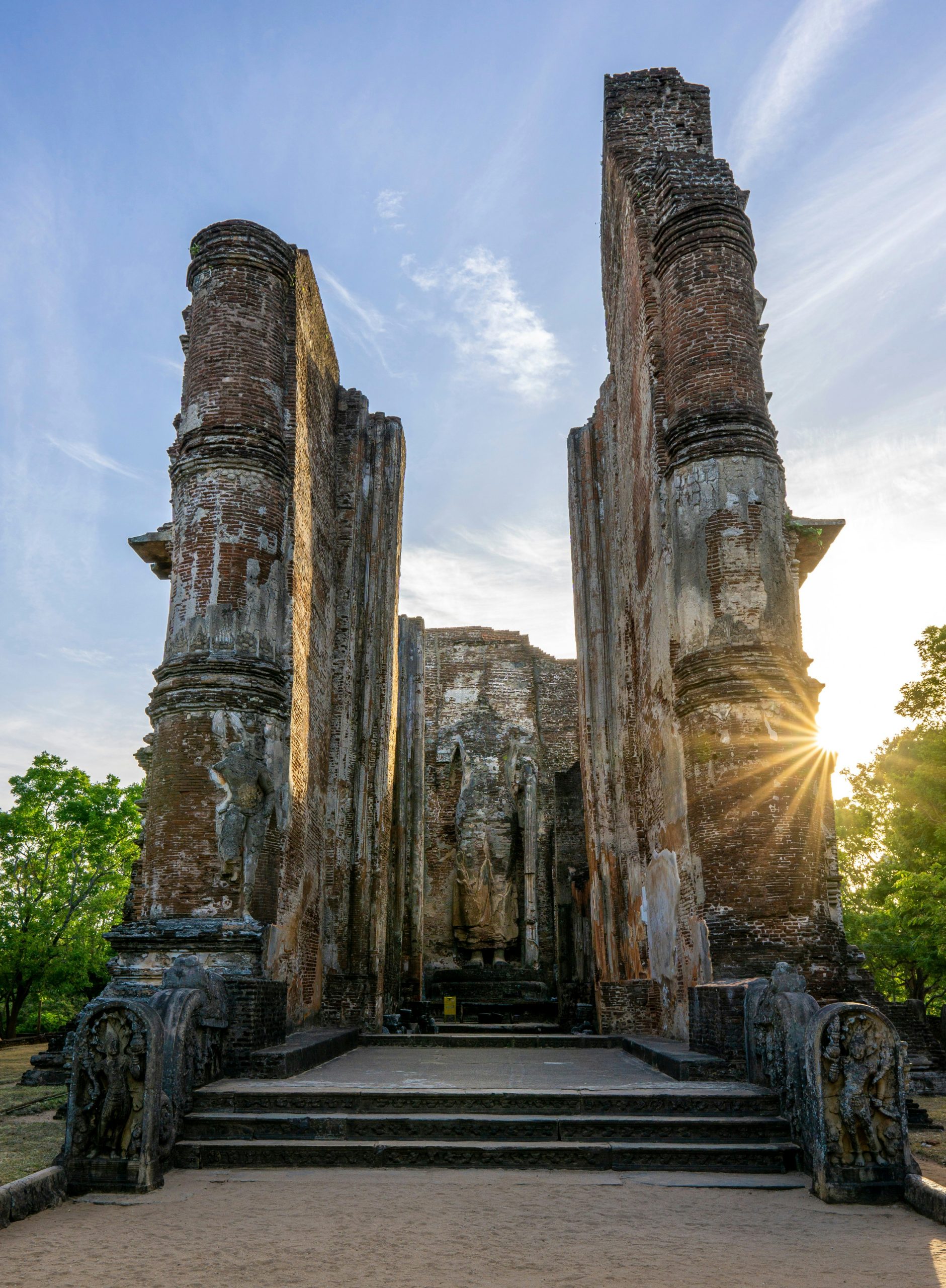
Temples such as the Rankoth Vehera, Lankatilaka, and Shiva Devales reveal the multi-religious character of the city, with influences from Buddhism, Hinduism, and South Indian architecture.
Unlike Anuradhapura, Polonnaruwa is more compact, making it easier to explore by bicycle or tuk-tuk. The combination of ruins, reservoirs, and lush greenery makes it both historically fascinating and visually stunning.
👉Travel Tip: Visit early in the morning to avoid the heat and catch the soft light illuminating the ruins.



Write Your Review