
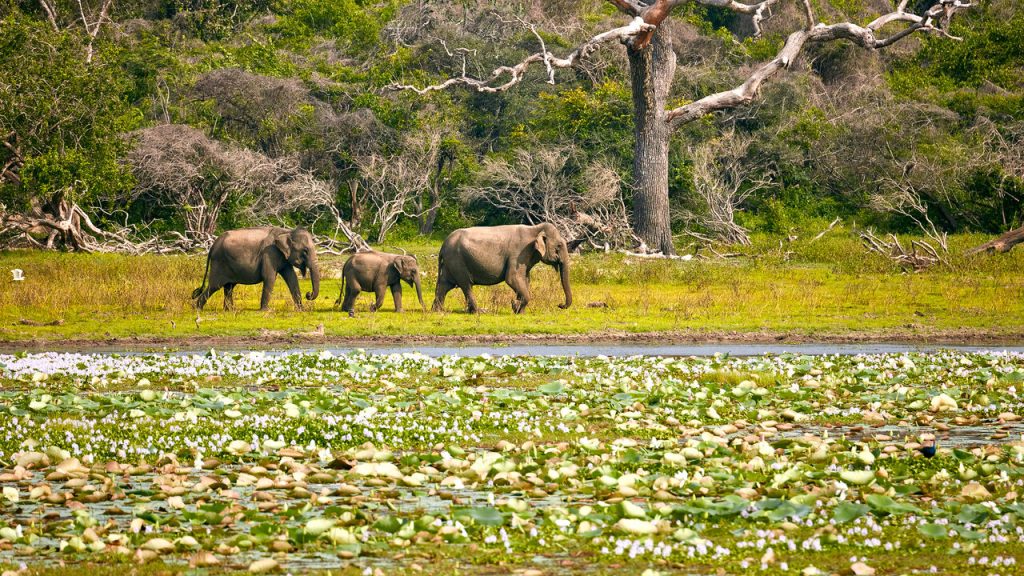
Yala National Park is, without a doubt, the crown jewel of Sri Lanka’s wildlife destinations. Sprawling across the island’s southeastern coast, it is a magnificent tapestry of dry-zone forest, scrubland, grassy plains, freshwater lakes, and a dramatic coastline. While this diverse habitat supports a stunning array of wildlife, Yala has earned its global fame for one reason above all: it boasts one of the highest densities of leopards in the world. A safari in Yala is an exhilarating adventure into the wild, a game of patience and thrill where every turn of the dusty track holds the promise of an unforgettable encounter with the magnificent Sri Lankan Leopard (Panthera pardus kotiya). But the park is more than just leopards; it is a complete and vibrant ecosystem that offers one of the most rewarding safari experiences in all of Asia.
The Safari Experience: Tracking the Big Three
The Yala safari experience begins before dawn, as a fleet of customized 4×4 jeeps lines up at the park entrance, engines rumbling in the cool morning air. Once inside, the adventure begins. Expert guides and drivers, with eyes trained to spot the slightest movement, navigate a network of unpaved roads. The park is divided into several blocks, with Block 1 being the most popular and accessible for safari tours.
While the leopard is the star attraction, Yala is also a fantastic place to see two other iconic Asian animals. The park has a large population of Sri Lankan Elephants, and sightings of these gentle giants—from large herds foraging near waterholes to solitary tuskers striding majestically through the bush—are very common. The other member of Yala’s “Big Three” is the elusive Sloth Bear. These shaggy, black-furred creatures are most often seen during the fruiting season of the Palu tree (May-July), when they can sometimes be spotted clumsily climbing trees to feast on the sweet berries.
The thrill of a Yala safari lies in its unpredictability. One moment you might be watching a herd of Spotted Deer graze peacefully, and the next, a frantic alarm call from a langur monkey signals that a predator is on the prowl. The jeep engines will fall silent, and an intense game of hide-and-seek begins as everyone scans the undergrowth for a glimpse of the spotted cat.
A Rich Tapestry of Wildlife and Birdlife
Beyond the big names, Yala is teeming with life. Mugger Crocodiles bask lazily on the banks of the park’s many lagoons, Sambar Deer, Wild Boar, and Water Buffalo are common sights. The birdlife is simply spectacular, with over 215 species recorded. Peacocks display their iridescent tail feathers in elaborate courtship dances, while Painted Storks and Grey Herons wade through the shallows. Birds of prey, like the Crested Serpent Eagle and the White-bellied Sea Eagle, soar high above, and the air is filled with the calls of Bee-eaters, Hornbills, and Kingfishers. The park’s coastline also provides nesting grounds for several species of sea turtles.
Best Time to Visit: The prime time to visit Yala is during the dry season, from February to June. During this period, water levels in the park’s lakes and waterholes are low, forcing animals to come out into the open to drink, which significantly increases the chances of sightings. The park is typically closed for a period in September and/or October for maintenance and to allow the ecosystem to recover.
Practical Tips: Book your safari jeep and guide in advance, especially during peak season. Wear neutral-colored clothing (khakis, greens, browns) to blend in with the environment. Bring a hat, sunscreen, sunglasses, and plenty of water. Most importantly, bring a good pair of binoculars and a camera with a zoom lens to make the most of your wildlife encounters. Patience is key; Yala rewards those who wait.


Write Your Review