
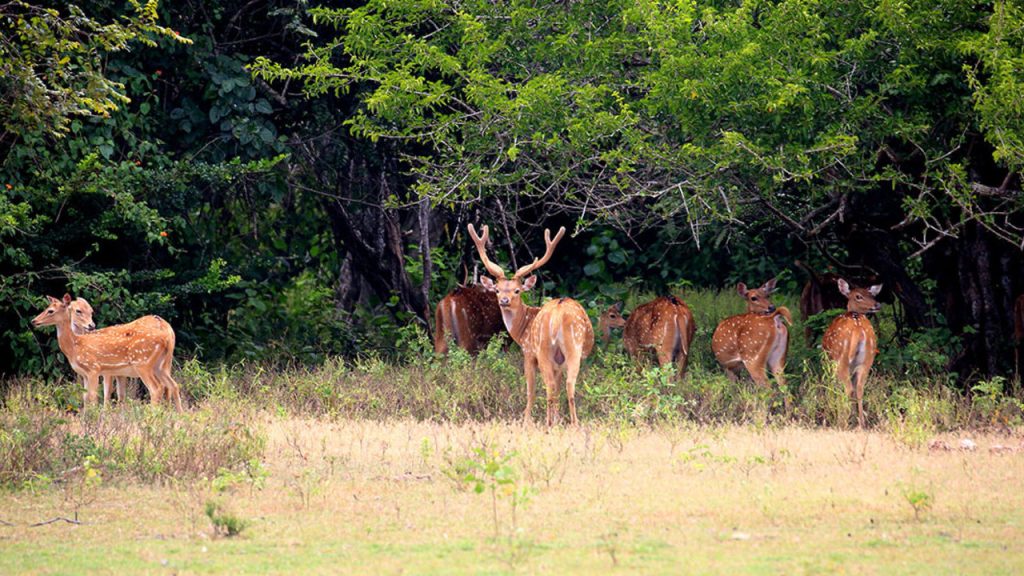
Located on the southeastern coast adjacent to its more famous neighbor, Yala, Kumana National Park offers a completely different and more tranquil wildlife experience. While Yala is a high-octane adventure focused on big game, Kumana is a serene sanctuary renowned for its incredible avian population. It is, first and foremost, a birdwatcher’s paradise. The centerpiece of the park is the “Kumana Villu,” a vast 200-hectare natural mangrove swamp fed by the Kumbukkan Oya. This rich, marshy environment, combined with numerous other lagoons and tanks, creates a perfect habitat that attracts a staggering diversity of resident and migratory birds, making it one of the most important bird nesting and breeding grounds in Sri Lanka. A visit to Kumana is an immersion into a world of birdsong, flapping wings, and the quiet rhythm of untouched nature.
An Avian Haven: The Wonders of the Villu
The heart and soul of Kumana is its Villu. During the migratory season, this shallow lake becomes a bustling metropolis for birds. Huge flocks of waders and waterfowl arrive from as far away as Siberia to escape the harsh northern winter. The sheer number and variety of birds can be overwhelming. You can expect to see vast colonies of Pelicans, Painted Storks, Spoonbills, White Ibis, Herons, Egrets, and Cormorants. The sight of hundreds of storks gathered in the shallows, their pink-tinged feathers brilliant in the morning sun, is an unforgettable spectacle.
The park is also home to rare species like the Black-necked Stork and the Great Thick-knee. A safari here is a slower, more observational experience than in Yala. Jeeps often park for long periods near the Villu, allowing visitors to use binoculars and telephoto lenses to identify and photograph the incredible variety of species. Experienced birding guides can help you spot and identify dozens of different birds, from the tiny Little Stint to the majestic Lesser Adjutant. Even for non-birders, the sheer volume and beauty of the avian life are profoundly impressive.
Beyond the Birds: Wildlife and Solitude
While birds are the main draw, Kumana is by no means devoid of other wildlife. The park shares a border with Yala and possesses a similar habitat, meaning that many of the same animals can be found here. Elephants are frequently seen, often bathing in the lagoons or moving through the scrub forests. Spotted Deer, Mugger Crocodiles, Wild Boar, and Golden Jackals are also common residents. Even the elusive Sri Lankan Leopard calls Kumana home. Although sightings are rarer than in Yala’s Block 1 due to the lower density of both leopards and tourist jeeps, the thrill of spotting one in such a quiet, secluded environment is unparalleled.
The greatest appeal of Kumana, besides its birds, is its profound sense of solitude. The park sees far fewer visitors than Yala, meaning you can often enjoy vast landscapes and wildlife sightings all to yourself. There are no traffic jams of jeeps jostling for a view. Here, you can truly listen to the sounds of the jungle and connect with nature on a deeper, more personal level.
Best Time to Visit: The ideal time for birdwatching is from April to July, which coincides with the park’s main nesting season. This is when the Kumana Villu is at its most spectacular. The general wildlife viewing is also excellent during the dry season from February to September.
Practical Tips: Kumana is more remote than Yala. It is best accessed from the town of Arugam Bay. You will need to hire a 4×4 jeep for the safari. As facilities are limited, bring all the water and snacks you will need for the trip. A good pair of binoculars is absolutely essential to fully appreciate the park’s avian treasures.


Write Your Review