Kandy is the cultural heart of Sri Lanka. Nestled on a plateau at about 500 m above sea level and ringed by forested hills and tea plantations, the city was the last royal capital of the Sinhalese Kingdom. Its location, highland climate and long-standing resistance to foreign conquest gave rise to a unique culture that continues to shape modern Sri Lankan identity. Today, Kandy is a lively centre of religious devotion, dance, music, and crafts, and it is the gateway to Sri Lanka’s Central Highlands.Walking the city’s streets, you’ll encounter saffron-robed monks, colonial buildings, bustling markets, and the smell of incense drifting from temple courtyards.Kandy’s heritage and natural beauty earned it UNESCO World Heritage Site status, and it remains one of Sri Lanka’s premier tourist destinations.
History and Setting
Historically known as Senkadagalapura, Kandy became the island’s capital in 1469 when King Senasammata Vikramabahu established his court here.The kingdom survived repeated invasions from Portuguese and Dutch colonisers who controlled Sri Lanka's coastal areas.Its remote location, encircled by mountains and dense forests, and the fierce loyalty of Kandyan chieftains allowed the city to remain independent long after coastal kingdoms fell.Kandy finally capitulated to the British in 1815 when internal factions deposed the last king and signed the Kandyan Convention.Although annexed, Kandy retained strong Buddhist traditions and artistry; the British found it easier to rule through local nobles and to respect the city’s religious sanctity.
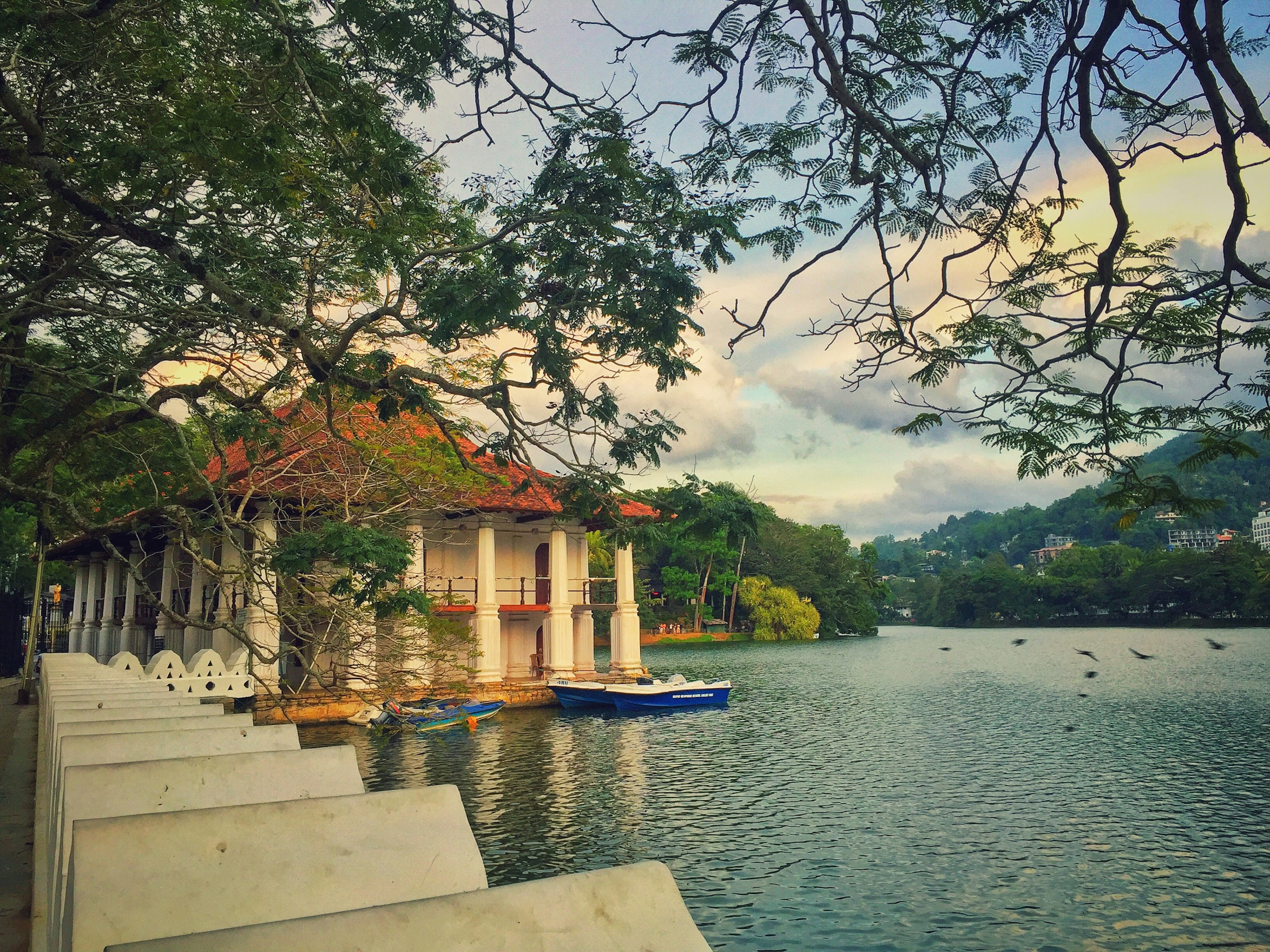
The city’s layout reflects its royal past. Kandy sits around an artificial lake – Bogambara Lake, often called Kandy Lake – created in 1807 by King Sri Wickrama Rajasinha. The lake’s ornamental wall (Walakulu Bamma) and tiny island in the middle are remnants of the royal bath house. A paved promenade encircles the water, shaded by palm trees and fringed by flower stalls and benches, making it one of the most pleasant urban walks in Sri Lanka. On the north shore stand the remains of the royal palace complex, now housing museums and temples. To the south rises the hillside of Bahirawa Kanda, crowned by a giant white Buddha statue that watches over the city.
The Temple of the Tooth Relic (Sri Dalada Maligawa)
Kandy’s religious and cultural significance centres on Sri Dalada Maligawa, popularly known as the Temple of the Tooth. This ornate temple is reputed to house a tooth relic of Gautama Buddha . According to tradition, the tooth was smuggled to Sri Lanka in the 4th century and became a symbol of sovereignty; whoever possessed it had legitimate authority to rule. For centuries the tooth accompanied kings from one capital to another; when Kandy became the last capital, the relic was enshrined within the royal palace. Today, the temple’s gilded roofs, carved timber and ivory‑inlaid doorways evoke regal splendour. Pilgrims queue to file past the inner shrine, which is opened twice daily for puja (offerings). During evening puja, drummers and flute players accompany the monks’ chanting. Photography inside is allowed, though respectful dress is required.
The Temple of the Tooth is part of the Kandy World Heritage Site . Adjacent to it lies the Royal Palace, partly converted into the National Museum of Kandy, displaying weaponry, royal regalia and Kandyan art. Nearby, the Audience Hall (Magul Maduwa), with its columns of carved wooden pillars, served as the royal reception hall and still hosts state ceremonies today.
The Esala Perahera Festival
Every July or August, Kandy hosts one of Asia’s most spectacular festivals – the Esala Perahera or Festival of the Tooth. Over ten nights, the Temple of the Tooth’s casket is paraded through the streets on a richly caparisoned elephant. The procession features hundreds of elephants, costumed dancers, whip crackers, fire dancers, drummers and torchbearers. Each night’s pageant becomes larger and more elaborate, culminating in the grand procession on the final night. The festival honours both the tooth relic and the Hindu deity Kataragama, reflecting Kandy’s syncretic traditions. Accommodation fills quickly during Perahera; booking far in advance is essential. Visitors should be prepared for large crowds and show respect for local customs – maintain silence when the relic passes and avoid pointing your feet towards the elephants.
More Temples and Shrines
Beyond the Temple of the Tooth, Kandy abounds with temples representing different periods of Sinhalese and South Indian architecture:
• Bahirawakanda Vihara Buddha Statue – This modern temple on Bahirawa Kanda hill is crowned by an 88‑foot (26.8 m) tall seated Buddha statue painted in gleaming white. A steep stairway leads to the statue’s base, from where you get panoramic views over Kandy and its lake. The statue is illuminated at night and visible from across the city.
• Lankatilaka Vihara – About 10 km west of Kandy, this 14th‑century temple sits atop a rock outcrop. Built by King Buwanekabahu IV, it fuses Sinhalese, Hindu and South Indian designs. The outer walls are painted with murals of Jataka tales, and the image house contains a towering standing Buddha. You can combine it with visits to Gadaladeniya Temple (famous for its stone architecture) and Embekke Devalaya (known for intricately carved wooden pillars), which are all within a short drive.
• Natha Devalaya and Vishnu Devalaya – These Hindu‑Buddhist shrines within Kandy’s old quarter predate the Temple of the Tooth. Their festivals involve fire walking and drumming rituals.
Royal Botanical Gardens at Peradeniya
Five kilometres west of Kandy, the Royal Botanical Gardens at Peradeniya provide a serene escape. Covering 147 acres along a bend of the Mahaweli River, the gardens were once reserved for Kandyan royalty. They now feature more than 4 000 species of plants, including an avenue of royal palms, massive collections of orchids, giant bamboo stands and a cannonball tree planted by King George V. Fruit bats roost in the trees, and there are dedicated areas for medicinal plants and spice trees. Picnicking is popular; bring a mat and enjoy lunch on the rolling lawns. The gardens are open daily from 7:30 a.m. to 5 p.m. and charge a small admission fee.
Udawattakele Forest Reserve and Nature Walks
Behind the Temple of the Tooth lies Udawattakele Forest Reserve, sometimes called the “Royal Forest Park”. This protected area once formed the palace gardens and was used for meditation by monks. Today, it offers tranquil walking trails through semi‑evergreen forest and is home to monkeys, barking deer, and over 80 species of birds including Layard’s parakeets and brown‑capped babblers. The 1.5 km Marian Shrine path leads past hermitages and a giant fig tree. For bird‑watchers, dawn is the best time to visit. Note that leeches can be present in wet weather; wearing long socks and carrying salt or a leech repellent is advisable.
Tea, Museums and Colonial Heritage
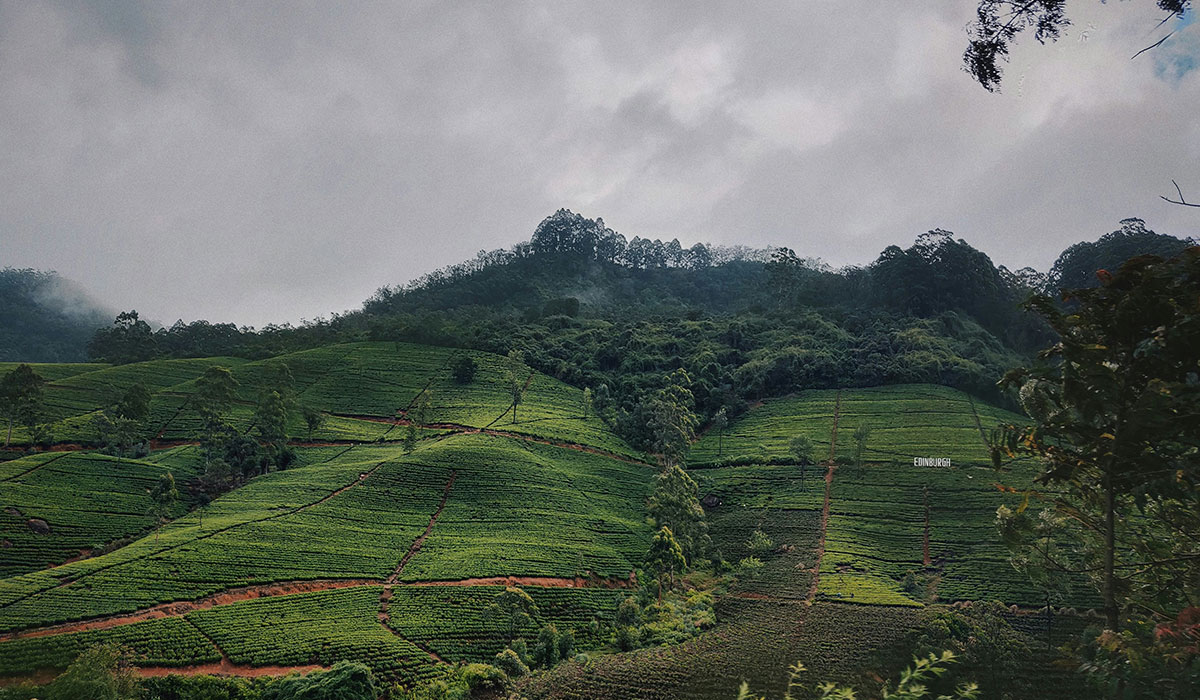
Kandy is intimately connected with Sri Lanka’s tea heritage. Just south of the city is the Hanthana Tea Museum, housed in a restored 1920s tea factory. Exhibits chart the history of the island’s tea industry from early coffee plantations through the innovations of British planter James Taylor. Visitors can see antique processing equipment, walk through an operating tea manufacturing floor and taste different grades of Ceylon tea. Another option is to take a day trip to a working tea estate such as Ramboda or Labookellie, where you can watch pluckers in the fields and enjoy sweeping views over the Central Highlands.
In the city centre, colonial‑era buildings line roads like Raja Vidiya and D. S. Senanayake Veediya. The Kandy City Centre shopping mall blends modern architecture with Kandyan motifs. Nearby, the Kandy Lake Club hosts evening cultural shows featuring Kandyan dance, fire walking and drumming – an excellent introduction to local performing arts.
Crafts, Markets and Cuisine
Kandy is renowned for craftsmanship. The Kandyan Art Association & Cultural Centre sells traditional masks, lacquerware, batik fabrics, brassware and silver jewellery. On the city’s east side, Gem street (Dalada Vidiya) is lined with gem shops selling Ceylon sapphires and semi‑precious stones; some offer tours of their cutting and polishing workshops. The Central Market north of the lake is a lively labyrinth where you can sample tropical fruits (try jackfruit, rambutan and mangosteen), buy spices like cinnamon and cloves, and purchase souvenirs. Food stalls sell Kottu Roti (roti chopped and stir‑fried with vegetables and meat), Egg hoppers, and Dal wade. For a more upscale dining experience, hotel restaurants around the lake serve Kandyan curries with rice, river fish, lentils and coconut sambal.
Day Trips and Nearby Attractions
Kandy serves as a hub for day trips into the hill country:
• Pinnawala Elephant Orphanage – About 40 km west, this sanctuary houses orphaned and injured elephants. Twice daily, the elephants are taken to the Maha Oya river for bathing; watching them frolic and spray water is a highlight. Visiting early in the morning avoids crowds.
• Knuckles Mountain Range – North‑east of Kandy lies this UNESCO World Heritage–listed wilderness known for its rugged peaks and montane cloud forests. Trekking routes range from half‑day hikes to multi‑day excursions with village homestays. The Mini World’s End viewpoint offers sweeping vistas.
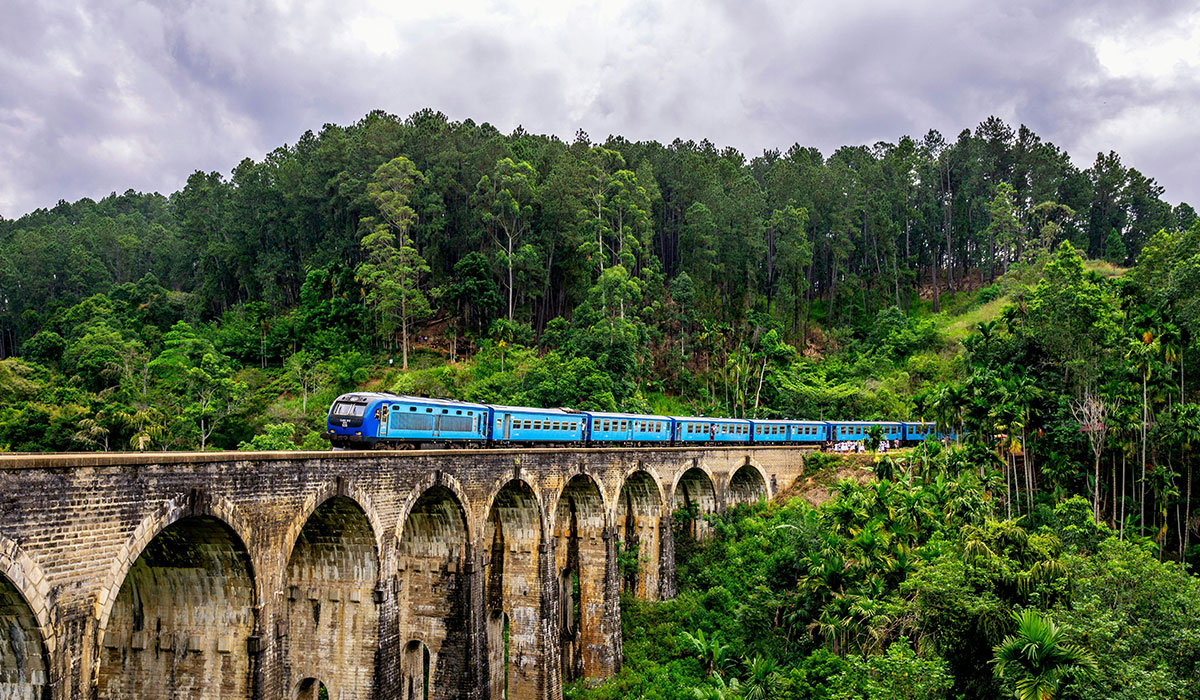
• Kandy‑Ella Scenic Train – While Ella is several hours away, the train journey from Kandy to Ella (or to Badulla) is world‑famous. The blue carriages wind through tea estates, across viaducts and past waterfalls. Reserve second‑class seats for open windows.
• River rafting at Kitulgala – On the road between Kandy and Colombo, Kitulgala offers white‑water rafting on the Kelani River. It’s also where “The Bridge on the River Kwai” was filmed.
Practical Tips
• Getting there: Kandy is accessible by road (three to four hours from Colombo) and by train along the scenic main line. Trains run several times daily; first‑class observation carriages are popular but may sell out.
• Climate: The city enjoys a cooler climate than the lowlands, with average temperatures around 24 °C. December to May is the drier season. Pack a light sweater for evenings and carry an umbrella during the southwest monsoon (May–September).
• Accommodation: Options range from heritage hotels overlooking the lake to guesthouses and boutique villas in the surrounding hills. For a royal atmosphere, the Queens Hotel and Hotel Suisse occupy colonial buildings. The Mahaweli Reach and Theva Residency offer modern comforts with river or mountain views.
• Respecting Culture: Dress modestly when visiting temples – shoulders and knees should be covered.Remove shoes and hats before entering shrines. When interacting with monks, avoid touching them or offering items directly; place offerings on a table. It is polite to use your right hand when giving and receiving.
Conclusion
Kandy embodies the soul of Sri Lanka’s highlands. Its picturesque lake, sacred temples, grand festivals and lush gardens reflect centuries of royal patronage and spiritual devotion. From the serenity of a dawn walk along the lake to the thunder of drums during Esala Perahera, Kandy engages the senses. Beyond the city, tea plantations, waterfalls and trekking trails beckon. Whether you are a history buff, nature lover, spiritual seeker or casual traveller, Kandy’s blend of heritage and hospitality will leave you captivated and eager to explore more of Sri Lanka’s diverse landscapes.
Note: This description draws on information from the Kandy article on Wikipedia, which notes that Kandy sits on a plateau surrounded by hills and tea plantations and that it houses the Temple of the Tooth, a UNESCO World Heritage Site
Map