
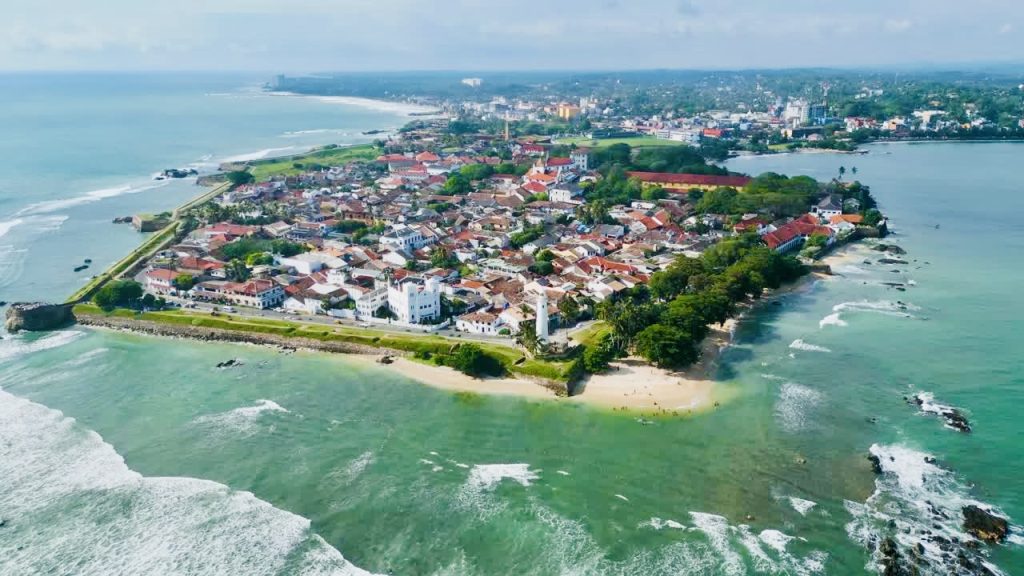
On the southwestern tip of Sri Lanka, where the ocean meets the land in a dramatic embrace, stands the magnificent Galle Fort. This is not a dusty, abandoned ruin; it is a living, breathing historical masterpiece, a fortified city that has been shaped by centuries of maritime history. Originally built by the Portuguese in the 16th century and then extensively fortified by the Dutch in the 17th century, the Galle Fort is the finest example of a European-built fortified city in all of South and Southeast Asia. Recognized as a UNESCO World Heritage Site, it is a place where history is etched into every stone wall, colonial mansion, and cobblestone street. A walk through Galle Fort is a walk through time, a captivating journey where the ghosts of colonial traders mingle with the vibrant energy of modern-day life, all set against the stunning backdrop of the Indian Ocean.
A Walk Through History: The Ramparts and Colonial Architecture
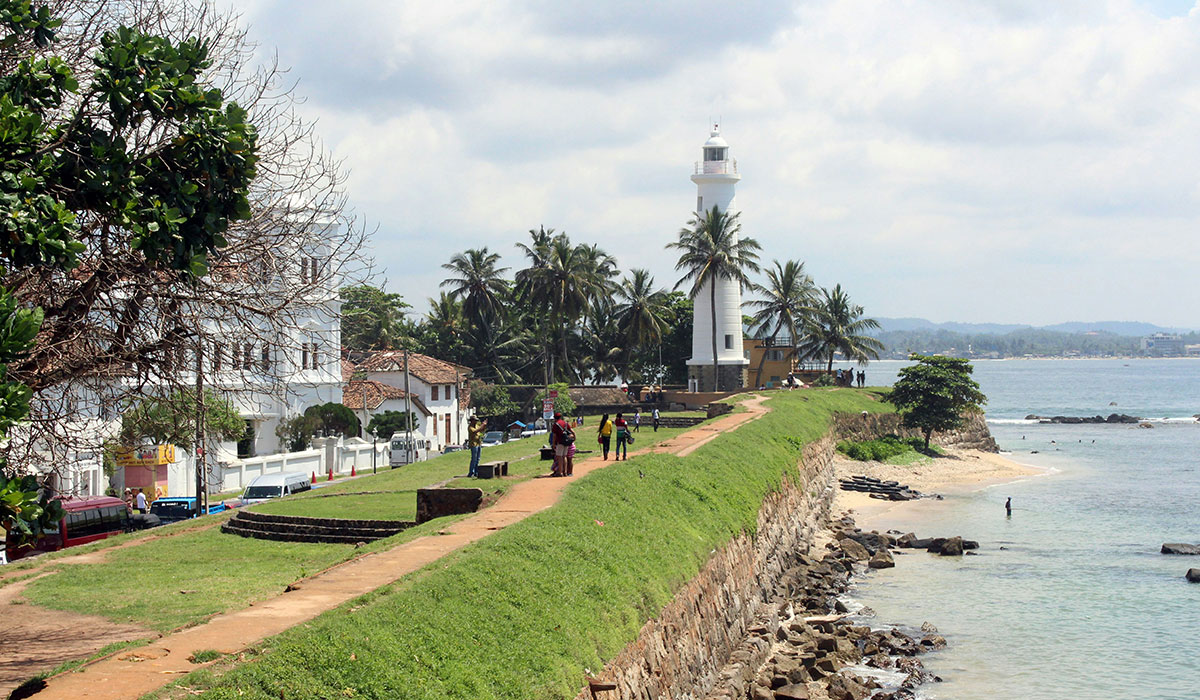
The defining feature of Galle Fort is its massive ramparts, a series of thick granite walls and bastions that encircle the old city, protecting it from the sea. The best way to begin an exploration of the Fort is by walking along these very walls. Starting from the Old Gate with its British coat of arms, you can complete a full circuit, which offers ever-changing, spectacular views. To the west, you’ll see the iconic Galle Lighthouse standing sentinel over the Utrecht Bastion, and to the south, you’ll witness the raw power of the ocean crashing against the fortifications. The sunset from the ramparts is a daily ritual for both locals and tourists, a magical moment when the sky and sea are painted in fiery colors.
Inside the walls, you are transported to a different era. The layout of the streets has remained largely unchanged for centuries. The architecture is a beautiful and unique fusion of European styles and South Asian traditions. Grand Dutch colonial mansions with large verandas and inner courtyards line the narrow streets. Key historical landmarks include the Dutch Reformed Church (Groote Kerk), originally built in 1755, with its fascinating floor paved with gravestones from the old Dutch cemetery, and the All Saints’ Anglican Church, a stunning example of Victorian Gothic architecture. The old Dutch hospital has been beautifully restored and now houses a chic shopping and dining arcade.
Modern Charm and What to Do
In recent decades, Galle Fort has undergone a renaissance. While preserving its historical integrity, it has become a vibrant hub for art, culture, and cuisine. The old colonial buildings now house a delightful collection of boutique hotels, art galleries showcasing local talent, quirky souvenir and antique shops, and world-class cafes and restaurants. Getting lost in its labyrinthine alleyways is a pleasure. Every corner reveals something new: a hidden courtyard cafe, a gem workshop, a charming guesthouse, or a beautifully restored facade.
Things to Do in Galle Fort:
Best Time to Visit: Galle can be visited year-round, but the most pleasant weather for walking and exploring is during the main dry season from December to April.
Practical Tips: Wear comfortable walking shoes, as you will be covering a lot of ground on uneven cobblestones. The Fort is compact and best explored on foot. Allocate at least half a day, but a full day or even an overnight stay is recommended to truly soak in its unique, enchanting atmosphere. Galle Fort is a magical place where history, culture, and coastal beauty converge, leaving an indelible impression on all who visit.





Write Your Review